CHICAGO — Trade shows are massive operations, and require hundreds — or even thousands — of dedicated people to run smoothly.
It’s everyone’s job to help make sure crews are kept safe during move-in, move-out and everything in between.
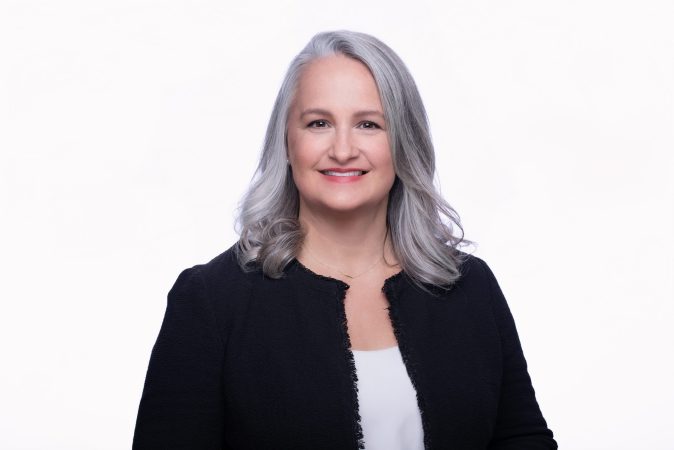
Trade Show Executive’s (TSE) Young Professionals Corner checked in with Angie Baldwin, Chief Risk Officer, The Freeman Company (TFC), to learn about trade show safety.
ANDREW: How does Freeman ensure a safe and successful working environment?
ANGIE: For us, safety starts well before anyone steps onto the show floor. It has to be built into how we plan, design and execute the work, not addressed after the fact. Safety is not an initiative for us; safety is our culture.
That means looking for ways to eliminate hazards, investing in training and the right tools, learning from incidents and near misses, and creating a culture where every person feels empowered to speak up.
At TFC, we talk about three simple obligations: Refuse. Stop. Listen. Refuse to do something you believe is unsafe. Stop someone if you see them working unsafely. Listen when someone tells you something you’re doing may be unsafe.
We hold ourselves to a standard of zero incidents because every incident represents a person. Ultimately, the goal is simple: Everyone who comes to work should go home the same way they arrived.
ANDREW: What are some recent examples of this methodology in action?
ANGIE: A great example comes from our Chicago operation. The team brought together management, union partners, our Safety Field Operations team and frontline employees to rethink how they approached safety.
They reorganized the warehouse to improve workflow, made safety metrics visible to employees and expanded hands-on training, including OSHA 10 and 30 certifications.
The result was a 40% year-over-year improvement in safety incidents across more than 786,000 hours worked.
For someone newer to the industry, I think the lesson is that there usually isn’t one big thing that makes a workplace safer.
It’s a series of decisions, how you organize the work, how clearly you communicate expectations, how well you train people and ensuring everyone feels responsible for looking out for one another.
ANDREW: How can show organizers work effectively with other players in the event process to ensure the safety of all?
ANGIE: Start the conversation early. Safety is a shared responsibility, and an event organizer shouldn’t assume that a venue, contractor or another partner is taking care of everything.
Bring your partners together while you’re still planning. Talk through the schedule, floor plan, move-in and move-out, and which teams will be working in the same spaces at the same time.
Ask where they see potential risks and what they need to do their jobs safely.
That collaboration matters because many of the decisions that affect safety are made long before anyone arrives on site. The earlier you involve the people who will be doing the work, the more opportunity you have to address potential problems before they reach the show floor.
ANDREW: What advice would you give to someone who is new to event organizing?
ANGIE: Ask questions and speak up. Don’t be shy. There’s no expectation that someone new to this industry should know everything and asking about something you don’t understand is always better than making an assumption.
Spend time with experienced operations teams and the people doing the work. Walk the show floor during move-in, not just when the event is finished and ready for attendees.
Learn what goes into installing an exhibit, moving freight or rigging equipment. The more you understand how an event actually comes together, the better decisions you’ll make as an organizer.
And if something doesn’t look or feel right, speak up. You don’t need to have “safety” in your title or be the most senior person in the room to raise a concern.
ANDREW: What are some common issues during move-in and move-out and how can they be prevented and/or solved?
ANGIE: Move-in and move-out are some of the highest-risk periods in our industry because so much is happening at once and under significant time pressure.
You can have forklifts operating in tight spaces, multiple contractors working on the same floor, materials being moved, structures being built or dismantled, and teams working long hours. Fatigue can compound all those risks.
The best approach is to prevent as much risk as possible through planning.
Can the schedule be more realistic? Can work be sequenced differently? Can equipment and pedestrians be better separated? Can something be designed or standardized differently so it is safer to install?
At TFC, we’re doing things like limiting forklift speeds, adding halo lights to forklifts, standardizing tools and parts, improving installation procedures and using two-person installation requirements where appropriate.
The goal is to eliminate or reduce risk before someone has to manage it in real time on the floor.
Related. Hardwired for Events: A Q&A with Lochlainn Byrne
ANDREW: What have you learned about preventing risk throughout your career?
ANGIE: One of the biggest lessons I’ve learned is to listen to the people closest to the work. They often see risk before anyone else does.
Policies, training and procedures are all important, but culture is what determines whether people actually speak up when they see something wrong. If someone raises a concern or stops work because they believe something is unsafe, what happens next matters.
When leaders listen and support that decision, it reinforces that safety really is a priority. Creating that kind of trust is one of the most important things any leader, including someone early in their career, can contribute to.
ANDREW: How is risk prevention changing?
ANGIE: It’s becoming much more proactive and data-informed.
Traditionally, safety could be very reactive: Something happens, you investigate it and then determine how to keep it from happening again.
We still need to learn from incidents, but increasingly we’re asking a different question: How do we prevent the incident from happening in the first place?
That means paying attention to near misses, looking for patterns, identifying where risks consistently occur and changing how the work is planned or performed.
Technology and data can help us identify those patterns, but there’s also something very simple at the heart of it: Pay attention to the warning signs before they turn into something serious.
ANDREW: What are some misconceptions that a young or new trade show professional might have about safety?
ANGIE: The biggest misconception may be that safety is someone else’s job. It isn’t.
Everyone working on an event has a role to play. Safety is everyone’s job.
Another is that asking a safety question makes you look inexperienced. I would argue the opposite.
If you don’t understand why something is being done a certain way, ask. That curiosity can uncover risks that other people have stopped noticing.
I’d also challenge the idea that safety and getting the job done are competing priorities. Good planning can make work safer and more efficient.
And sometimes stopping or slowing down is exactly what good judgment requires. A deadline should never be a reason to ignore something you know isn’t safe.
ANDREW: Is there anything else you would like to add?
ANGIE: The habits you develop early in your career tend to stay with you. Make safety one of them.
Safety is a culture, not an initiative — ensure you ingrain safety in everything you do.
Ask questions. Pay attention during move-in and move-out. Listen to the people doing the work.
If something doesn’t look right, say something, even if you’re the newest person in the room.
Some of the most important decisions affecting safety are made by organizers every day, through the schedules they set, the partners they bring together and the environment they create for people to speak up.
And always remember that behind every event are people with families and lives outside of work. Our goal should always be zero incidents, because every person who shows up to do this work deserves to go home safely at the end of the day.
To get more articles like this, sign up for TSE’s free Young Professionals Newsletter.