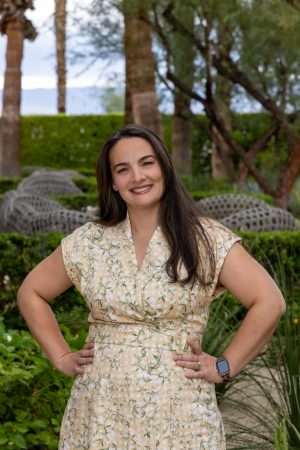
CHICAGO — Gina Nolan, Senior Digital Product Manager at Clarion Events North America, transforms complex digital strategies into clear, actionable solutions that drive meaningful results.
In recognition of her impressive work, she was named a 2025 Trade Show Executive (TSE) Woman to Watch.
We sat down with Gina to discuss her career, how she streamlines the use of technology to ensure seamless internal alignment and improved customer experience, and her predictions for the events industry’s future.
ANDREW: Can you tell us how you landed in the trade show industry?
GINA: My path into the trade show industry was definitely unexpected, but each step built on the last in a meaningful way. I began my career in the fashion industry, where I developed a strong foundation in fabrics and sourcing.
That experience led me to an event rental company, where I helped shape the design direction and source new products. It was there that I was exposed to the full spectrum of events — from intimate gatherings to large-scale trade shows — which sparked my interest in the broader event landscape.
After nearly a decade in events, I pivoted into digital user experience, drawn by the opportunity to create more seamless and impactful interactions. Joining Clarion felt like the perfect fit.
It allowed me to bring together my background in events with my passion for digital product management. I’m grateful to have found a role where I can blend creativity, strategy and technology to enhance customer experience.
ANDREW: Could you describe how you streamlined the use of technology at Clarion?
GINA: For me, streamlining technology begins with listening — really listening — to both internal stakeholders and external users. Their feedback is the most valuable guide to identifying friction points and uncovering opportunities to create more intuitive, connected experiences.
By recognizing shared needs across teams and customer touchpoints, I’ve helped unify digital workflows and reduce duplication. I’ve led workshops to deepen internal understanding of human-centered design and developed best practices documentation that’s now used across portfolio teams to guide the creation of seamless, user-friendly sites.
Additionally, building agile templates for digital components has allowed us to work more efficiently while ensuring that what we create internally directly supports what our users need externally. That alignment between internal execution and external experience is what drives operational efficiency and delivers a more consistent, satisfying journey for our customers.
ANDREW: How is collaboration key to your success?
GINA: Collaboration is at the heart of everything I do. My success depends on the trust and support of my team and stakeholders.
I value open dialogue because it allows us to challenge assumptions, uncover blind spots and discover new opportunities. By bringing diverse perspectives together, we create stronger, more thoughtful solutions than any one of us could achieve alone.
ANDREW: What is your motivation to continue striving for excellence in your work?
GINA: I’m driven by the challenge of solving meaningful problems. When I see a customer struggling with a part of their experience, it feels like a puzzle I’m eager to solve.
I’m passionate about creating digital experiences that feel effortless, where everything just works intuitively. Knowing that I’ve helped make someone’s day easier or more enjoyable keeps me motivated to keep improving and pushing for better.
ANDREW: What’s the toughest decision you’ve had to make in your role and how did you handle it?
GINA: One of the toughest decisions I’ve made was choosing to pivot my career later in life. I had built a comfortable and successful path in event production, but after the pandemic, I realized I needed to future-proof my career.
Nearly two decades after graduating college, I went back to school to study human-centered design. It was a humbling experience — being the oldest in the room, sometimes older than the professor, and juggling coursework with raising two young kids and working.
I had to relearn how to write papers, manage my time even more efficiently and embrace being a beginner again. But I knew it was an investment in myself and my family’s future.
That decision transformed my career and brought me immense joy. It allowed me to stretch my thinking, reconnect with my creativity and ultimately find a role where I could blend my experience in events with my passion for digital product management.
It reminded me that growth often comes from stepping outside your comfort zone — and that it’s never too late to reinvent yourself.
ANDREW: How do you maintain a healthy work-life balance to avoid burnout? How do you encourage others to do the same?
GINA: It’s definitely a work-in-progress. I tend to be a bit of a workaholic, so I’ve learned to build small but meaningful rituals into my day that help me stay grounded.
I try to start each morning with a workout to clear my head, and I always carve out time in the afternoon to greet my kids when they get home from school. Those little moments of joy remind me why balance matters and help me refocus on what’s truly important.
I encourage others to find their own version of those moments, whatever helps them recharge and stay connected to life outside of work. It’s not about perfection, but about being intentional.
ANDREW: How do you think the trade show industry is evolving to better support women in leadership roles?
GINA: Every day, I find myself surrounded by some of the most talented and inspiring women I’ve ever worked with. What stands out is not just their expertise, but their generosity with sharing knowledge, offering mentorship and lifting each other up.
At our company, female leaders collaborate with intention and care, creating a culture where support and growth go hand in hand.
The trade show industry is also evolving. There’s a growing recognition of the value women bring to leadership roles, and I’ve seen more opportunities open up for women to lead, innovate and shape the future of the industry.
It’s encouraging to see organizations investing in mentorship programs, flexible work structures and inclusive leadership development. When women champion one another, we all rise — and the industry becomes stronger for it.
Related. Meet the 2025 Women to Watch: Kristin Martinez, CEM, CMP
ANDREW: What do you think the next big thing in the events space is going to be, whether it be related to technology, work models, experiences, etc.?
GINA: The next big shift in the events space will be about making experiences smarter, more intuitive and more immersive — both digitally and physically. I believe we’ll see AI-powered tools take center stage, helping attendees navigate complex schedules, personalize their agendas and even summarize conversations or sessions they’ve attended.
These technologies will reduce friction and make large-scale events feel more manageable and tailored to individual needs. At the same time, the definition of “event experience” is expanding.
Attendees are no longer satisfied with just the conference center, hotel and airport loop. There’s a growing desire to connect with the local community and culture.
Events will increasingly break out of traditional venues and incorporate city-wide experiences, whether that’s curated dining, wellness activities or neighborhood tours, to create a 360-degree journey that feels both enriching and memorable.
Ultimately, the future of events lies in blending high-tech personalization with high-touch human connection. It’s about making people feel seen, supported and inspired before, during and after the event.
ANDREW: What advice would you give to other up-and-comers in this industry?
GINA: Listen. Listen to both exhibitors and attendees, we can’t do our jobs without both sides.
Listen to your colleagues. If we are all encountering the same pain points, that means there is an opportunity for improvements. The more we can empathize and prioritize ideation of solutions, the better the client experience is and the easier our job becomes.
ANDREW: What strategies have you found most effective for building a strong professional network within the trade show community?
GINA: As a remote worker, building relationships beyond my immediate team can be challenging, but it’s something I’ve always prioritized.
Early in my career, I was fortunate to be part of several event industry networking groups, which introduced me to some of the most inspiring professionals I know. Those connections have stayed with me and continue to open doors.
I also believe that professional relationships often start with genuine conversations. Whether it’s sharing ideas, offering support or simply showing up consistently, I’ve found that being approachable and curious goes a long way.
Staying engaged in industry communities — both online and in person — has helped me grow my network in meaningful ways.
ANDREW: What role does mentorship play in your career development, and how can other women seek and cultivate these relationships?
GINA: Mentorship has been a cornerstone of my growth, both personally and professionally. Throughout my career, I’ve benefited from the wisdom and encouragement of mentors who helped me navigate challenges, expand my skillset and see possibilities I hadn’t considered.
At Clarion, I’ve seen firsthand how mentorship, whether through formal programs within Clarion, employee resource groups or informal peer support can foster mutual respect, confidence, empathy and connection.
I’ve also been incredibly fortunate that every boss I’ve had throughout my career has been a woman. Each of them saw a glimmer of value in my past experiences and trusted their instincts to give me a chance, even when I was stepping into roles that were new to me.
That kind of belief and support has been transformative, and it’s a reminder of how powerful it is when women lift each other up. For women looking to cultivate these relationships, I always recommend starting with curiosity and openness.
Join industry groups, attend networking events and don’t be afraid to reach out to someone whose work you admire. Mentorship doesn’t have to be a formal arrangement; It can begin with a simple conversation.
And when you find someone who listens, challenges and supports you, nurture that relationship. It can be life changing.
ANDREW: How do you stay updated on industry trends and changes, and what resources do you recommend to your peers?
GINA: While I do keep an eye on industry publications and attend internal strategy sessions, I’ve found that the most valuable insights come directly from our customers. Trends often follow what users are asking for, so staying close to their needs, frustrations and feedback is key.
I make it a priority to listen actively, whether through user interviews, feedback loops or post-event debriefs. When you truly hear what customers are saying and act on it, you’re not just keeping up with trends — you’re helping shape them.
That kind of responsiveness is what keeps our work relevant and impactful.
ANDREW: What is your vision for the future of women in the trade show industry, and what steps can be taken to foster greater inclusion and diversity?
GINA: My vision is one where women are not only present in the trade show industry, but leading it with confidence, creativity and influence. I’ve seen incredible progress at Clarion, where women are shaping the future of events through strategic thinking, collaboration and bold innovation.
It’s inspiring to see female leaders driving change and redefining what leadership looks like in this space. To foster greater inclusion, we need to continue investing in flexible work models, leadership development tailored to diverse experiences and intentional representation at all levels.
It’s essential that women — especially those from underrepresented backgrounds — see themselves reflected in decision-making roles and feel empowered to bring their full selves to the table.
Inclusion isn’t just a value — it’s a catalyst for growth. When we create environments where diverse voices are heard and respected, we unlock new ideas, build stronger teams and deliver more meaningful experiences across the industry.
To get more Women to Watch Q&As, subscribe to TSE’s free e-newsletter on LinkedIn or through your email.