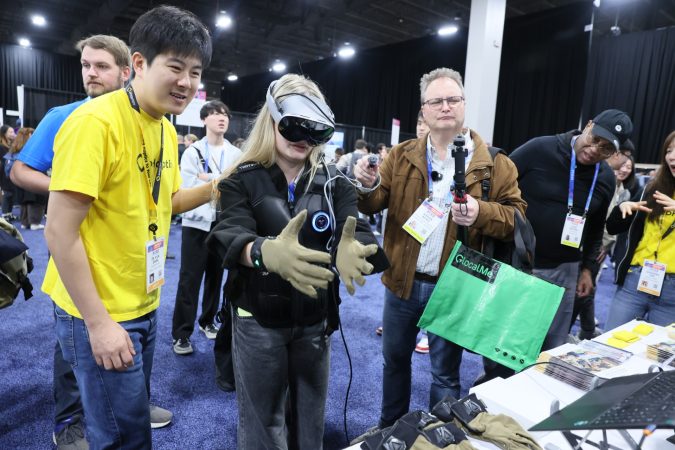
LAS VEGAS — CES™ doesn’t do small. With 142,465 verified attendees in 2025, it’s always a highlight of the global trade show calendar, a spectacle where autonomous tractors rub shoulders with AI-powered ovens and deals are inked over neon cocktails.
As the 2026 edition opened this month, the energy was unmistakable: packed aisles, media mobs and enough innovation to short-circuit a smartwatch. But beneath the shimmer, something had shifted.
Tariffs — those controversial levers of global policy — have started to reshape the contours of the show floor. International exhibitors still came, but for the first time in years, logistics managers, not product designers, were the ones sweating over the fine print.
The global trade show industry isn’t in crisis, but it is in transition. U.S. tariffs surged in 2025, reaching levels not seen in nearly a century, and the fallout is real.
Spiking tariffs on goods from major trading partners — 35% on Canadian imports, 30% on Chinese and 15% on EU-made products — are squeezing exhibitor budgets and prompting tough calls about where, how and even if to show up.
Here are three questions that show organizers should consider in this new landscape.
1. Do We Double Down on Global or Focus Local?
The ambition to go global hasn’t disappeared. But the financial reality of international exhibiting in 2026 is harder to ignore.
“We’re seeing hesitation, especially from countries hit hardest by new duties,” said Society of Independent Show Organizers CEO Vincent Polito, referencing data from the group’s 2025 CEO Summit showing that over half of international respondents expect tariffs to impact their participation.
Canada, once a reliable presence at U.S. shows, saw a more than 70% drop in cross-border travel last summer.

Still, going local doesn’t mean going small.
The Center for Exhibition Industry Research’s data reveals most international shows already draw the bulk of their audience from within the host country. Organizers are capitalizing on that by launching regional editions or tailoring global brands for nearby markets.
2. Can We Still Make the Math Work for Exhibitors?
Tariffs are eroding ROI at every turn — from crated booths to swag bags.
“Shipping costs are out of control,” Nicholas Cordaro, President of LVE, said. “Clients are scaling back just to stay in the game.”
Smaller firms, which make up the majority of exhibitors, are especially vulnerable.
To retain them, organizers are offering more flexible terms, co-op booths and marketing tools that offset physical scale with digital reach.
“Exhibitors are looking for more than just square footage,” Polito noted. “They need results.”
Curated matchmaking, lead-gen lounges and onsite media activations are becoming essential ROI boosters.
3. Is the Traditional Show Format Still Fit for Purpose?
With freight rates up and customs delays increasing, hybrid is moving from a pandemic-era patch to a long-term strategy.
CES and other mega-events are expanding digital options and exploring regional spin-offs. Some shows are rotating host cities year-to-year to ease travel costs, while others are launching micro-expos closer to key exhibitor bases.
“Tariffs are a tax,” Consumer Technology Association™ President Gary Shapiro said. “We’re concerned they could negatively impact the companies that exhibit.”
The implication is clear: If cost keeps climbing, presence will drop — and the industry needs to adapt before that happens.
Photo Credit: Consumer Technology Association (CTA)