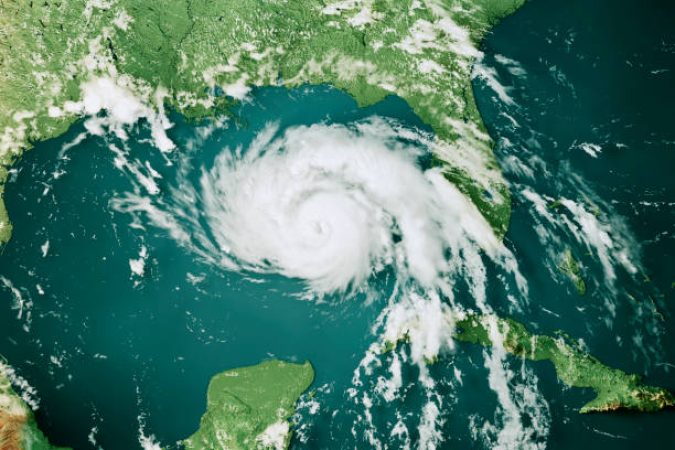
CHICAGO — In a survey from the International SOS Foundation, 65% of respondents reported that their organization had been affected by extreme weather in the past five years. With climate change increasing in impact and importance, Trade Show Executive (TSE) spoke with two sustainability thought leaders — Helen Sheppard, Global Sustainability Director at RX, and Alexandra Failla, Corporate Sustainability Manager at Diversified Communications — about how global warming could challenge the events industry, and how professionals can get ahead.
How Will Climate Change Impact Events?
Event Disruptions

“We have extreme weather events occurring, not necessarily more frequently, but more ferociously,” Sheppard said. “Extreme heat in India has caused disruption to events and there has been flooding in Dubai … which is unusual for that part of the world. In the U.S., tropical storms in Florida are causing disruption.”
Failla had a similar perspective. “An increase in severe weather events could cause disruptions in event scheduling, lead to cancellations or limit access to event venues in more vulnerable regions,” Failla explained.
Decreased Productivity
Sheppard shared that increased heat could make it harder to set up or take down events, leading to increased costs.
“We might need to build in more time to allow for the buildup or the breakdown of events, because people might not be able to work for as long in these big warehouse-type buildings because of excessive heat,” Sheppard explained.
More Expectations For Sustainable Planning
“Attendees are anticipating and expecting that organizers will be adopting environmentally sustainable practices and this demand will only increase as environmental concerns grow,” Failla said. “Demand for energy-efficient travel options and alternatives will grow, as people become increasingly concerned about reliance on fossil fuels.”
This applies to exhibitors as well: Sheppard revealed that an RX survey determined that climate change was personally important to 80% of its exhibitors.
Increased Opportunity
Climate change creates opportunities for organizers to increase exhibitor and attendee satisfaction, grow revenue by driving efficiency and investing in sustainable strategies, and demonstrate the positive impact of events.
“The really exciting thing about sustainability is the opportunity for our industry,” Sheppard said. “We’ve got this huge opportunity to serve customers better by addressing sustainability and we’ve got huge opportunities to collaborate within the industry as well to innovate for more sustainable solutions.”
Tips for Organizers
- Measure Your Impact

“As we cannot manage what we cannot measure, we have increased our efforts and resources on measuring and tracking carbon emissions and waste at select events this year to establish a baseline in 2024,” Failla shared. “We hope to use this data to set benchmarks, monitor progress and make data-driven goals for the future.”
- Start With a Comprehensive Strategy
“RX events that have been successful in terms of implementing sustainability strategies have had all the key stakeholders delivering the event in a specific sustainability working group — they come together and set their actions, and they meet regularly to talk about those actions progressing,” Sheppard said. “They’ve built sustainability in from the very beginning and it’s not been bolted on at the end as an afterthought. When it comes to delivering a sustainable event, it’s very much about giving yourself time to plan for it.”
- Focus on Visible and Non-Visible Changes
“Think about how to make your event more visibly sustainable. Those visibly more-sustainable things might actually be low impact when it comes to changing the carbon emissions at the event, but they’re important and they might impact other aspects like waste or engagement of your stakeholders,” Sheppard explained. “There are also things that are non-visible and far less glamorous, like implementing better waste sorting … trying to improve recycling rates and trying to encourage your exhibitors to be more sustainable in their booth building.”
Failla shared that waste reduction is a big focus at Diversified Communications.
“Organizers are increasing their use of digital signage to reduce paper waste, opting to use sustainable materials for signage and event structures, and minimizing single-use plastics where possible. We’re also beginning to work more closely with our vendor partners to find more sustainable ways to operate. Some of our events are piloting more sustainable stand designs, constructed with reusable and recyclable materials. Circular practices and elimination of single use plastics are much more broadly evident. We offer carbon offset options for our attendees for their travel to and from our events.”
Want to get more tips for sustainable event planning?
Find Helen’s full Q&A here.
Find Alexandra’s full Q&A here.