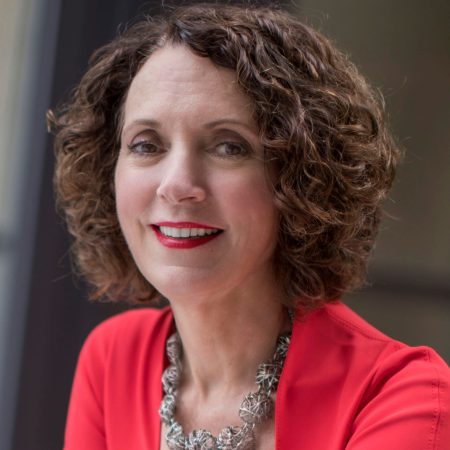
CHICAGO — Lynn Osmond, CAE, former President and CEO of Choose Chicago, partnered with Wheel the World and TravelAbility to advocate for accessible tourism strategies across the U.S. and help destinations tap into the growing market of travelers with disabilities.
“I left Choose Chicago at the end of January last year. My husband has had Parkinson’s since 2012, but at the end of 2023, he got diagnosed with a very aggressive cousin called Progressive Supranuclear Palsy,” Osmond said. “I left to take care of him, but also to travel with him … We’ve done a year of bucket-list travel.
“That’s really my inspiration — I have become an expert on traveling with somebody with a disability and I understand firsthand what it’s like for him to go through it, but also, as a caregiver, what I have to go through. I believe very strongly that travel is something that needs to be accessible to all and changes lives.”
An Impactful Partnership
Osmond will spearhead an accessibility initiative for the 2026 FIFA World Cup, leveraging Wheel the World’s Destination Verified program and TravelAbility’s Accessibility Playbook to help ensure a seamless experience for attendees.
To verify a destination, Wheel the World analyzes more than 200 accessibility features and works directly with Destination Management Organizations to help them make improvements.
Verified Destinations offer accessible transportation, restaurants, hotels, activities and attractions, which are listed on their respective pages on the Wheel the World website.
TravelAbility’s playbook is an end-to-end toolkit to equip destination organizations on their accessibility journey.
“We’re looking at how we work with FIFA cities to make sure the minute somebody gets off a plane, they understand what the accessible elements of their journey are,” Osmond said. “All it takes is one little blip that makes somebody say, ‘I’m not returning,’ or ‘I can’t do this. I’m not going to travel anymore.’ Those are two organizations that I’m passionate about on a personal level. I believe in their mission and the work that they’re doing.”
Osmond is eager to work with show organizers as well — to learn more, please email her at losmond@wheeltheworld.com or visit the Wheel the World website.
Advice for Organizers
According to Osmond, a key first step to planning with accessibility in mind is knowing your audience.
“What’s the questionnaire that you’re sending out to people to ask them what kind of disability they have and what their needs are?” Osmond said.
Once you are aware of your audience’s needs, they can inform your planning decisions.
When choosing a city for your event, it can help to find one that has been verified by Wheel the World. To find the more than 30 verified cities, click here. TravelAbility also has a list of accessible destinations.
After selecting a city, you must choose venues, hotels and attractions that align with your audience. Most convention centers have a dedicated page for accessibility, listing out their features. Also, you can check if a venue has been certified as a Sensory Friendly Establishment.
“It is key to understand not just the venue itself, but the navigation,” Osmond explained. “Where’s the person going to stay? How are they going to get there? How are they going to manage? I can speak from personal experience with Las Vegas. I brought my husband to a conference there and they’re so vast, [and] so overwhelming, it’s hard to navigate.”
Wheel the World has a “Things to Do” section of their website that details accessible activities in many cities.
While planning your event, it is vital to make sure that your participants are informed and prepared.
“You’re going to have to inform exhibitors — ‘We’ve done a survey, this is what the audience says they need and they want’ — and either make them comply or make it very user-friendly for them to comply,” Osmond said. “Make sure the people on the ground are welcoming and can answer questions. You can’t take away the human touch. Make sure that your staff or volunteers are trained … [and know] where services are.”
Osmond provided the following checklist for accessible planning:
Pre-Event Planning
- Accessibility Information
- Registration
- Venue Selection
Physical Accessibility
- Mobility Considerations
- Restrooms
- Parking and Transportation
- Emergency Procedures
Communication Accessibility
- Visual Accessibility
- Auditory Accessibility
- Accessible Presentations
Inclusive Programming
- Quiet Rooms
- Exhibit Areas
- Dietary Needs
- Schedule Considerations
Support Services
- Staff Training
- Mobility Aids
- Personal Care Assistants
- Service Animal Accommodations
- Medical Support
Technology and Virtual Accessibility
- Virtual Event Options
- Event App Features
Post-Event Support
- Feedback Mechanism
- Follow-Up
To get an extended Q&A with Osmond, with more accessibility tips, subscribe to Trade Show Executive’s weekly newsletter.